

Memphis, Tennessee, stands as a vibrant city with a rich cultural heritage and a dynamic political landscape. Recent national policies have significantly influenced the city’s trajectory, particularly in areas of crime prevention, political representation, and community relations.
Federal Crime Initiatives and Local Impact
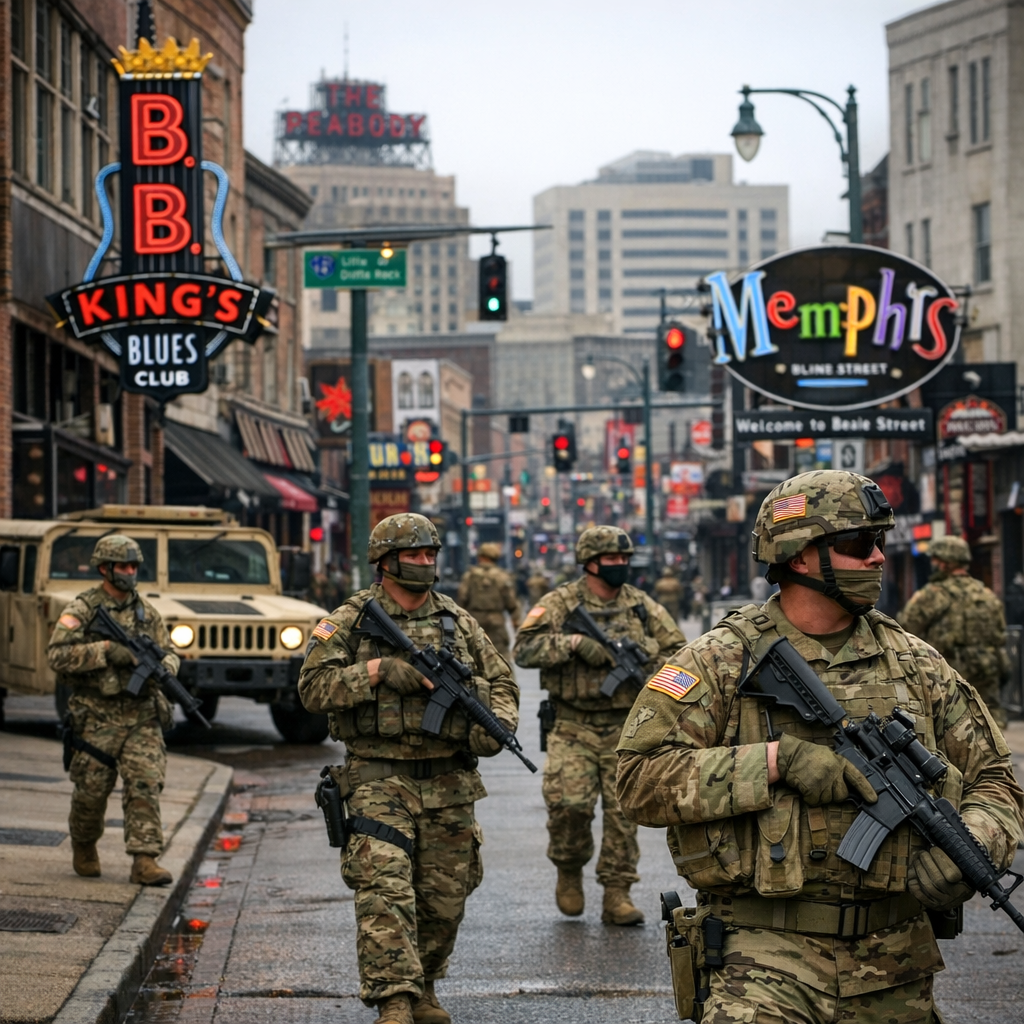
In late 2025, the federal government launched the Memphis Safe Task Force, a collaborative effort involving agents from 13 federal agencies, Tennessee State Troopers, and the Tennessee National Guard. This initiative aimed to address rising crime rates in the city. Since its inception, the task force has conducted over 120,000 traffic stops and made more than 2,800 arrests. While some residents appreciate the focus on crime reduction, others express concerns about the methods employed and the strain on local resources. The influx of detainees has led to overcrowded jails, with some inmates being relocated to distant facilities, complicating legal proceedings and increasing costs.
Redistricting and Political Representation
In May 2026, Tennessee’s Republican-controlled legislature approved a redistricting plan that divided Memphis into three congressional districts, each extending into predominantly white, rural areas. This move effectively diluted the voting power of the city’s majority-Black population. Residents like Steve Fowler and Sam Wilson, who have been neighbors for over a decade, now find themselves in separate districts despite living across the street from each other. Critics argue that this redistricting undermines the city’s political influence and disrupts community cohesion.
Community Relations and Law Enforcement
The presence of federal and state law enforcement in Memphis has led to heightened tensions between authorities and residents. In July 2026, two Tennessee National Guard members fatally shot 20-year-old Tyrin Johnson during a foot pursuit in downtown Memphis. Authorities stated that Johnson turned toward the soldiers with a weapon, prompting them to open fire. The Tennessee Bureau of Investigation is currently probing the incident. Such events have intensified debates over the role of federal intervention in local policing and its impact on community trust.
Looking Ahead
As Memphis navigates these complex dynamics, the city stands at a crossroads between national policies and local realities. The challenge lies in balancing effective crime prevention with the preservation of civil liberties, ensuring fair political representation, and fostering trust between law enforcement and the community. The path forward requires thoughtful dialogue, inclusive decision-making, and a commitment to the values that define Memphis.