

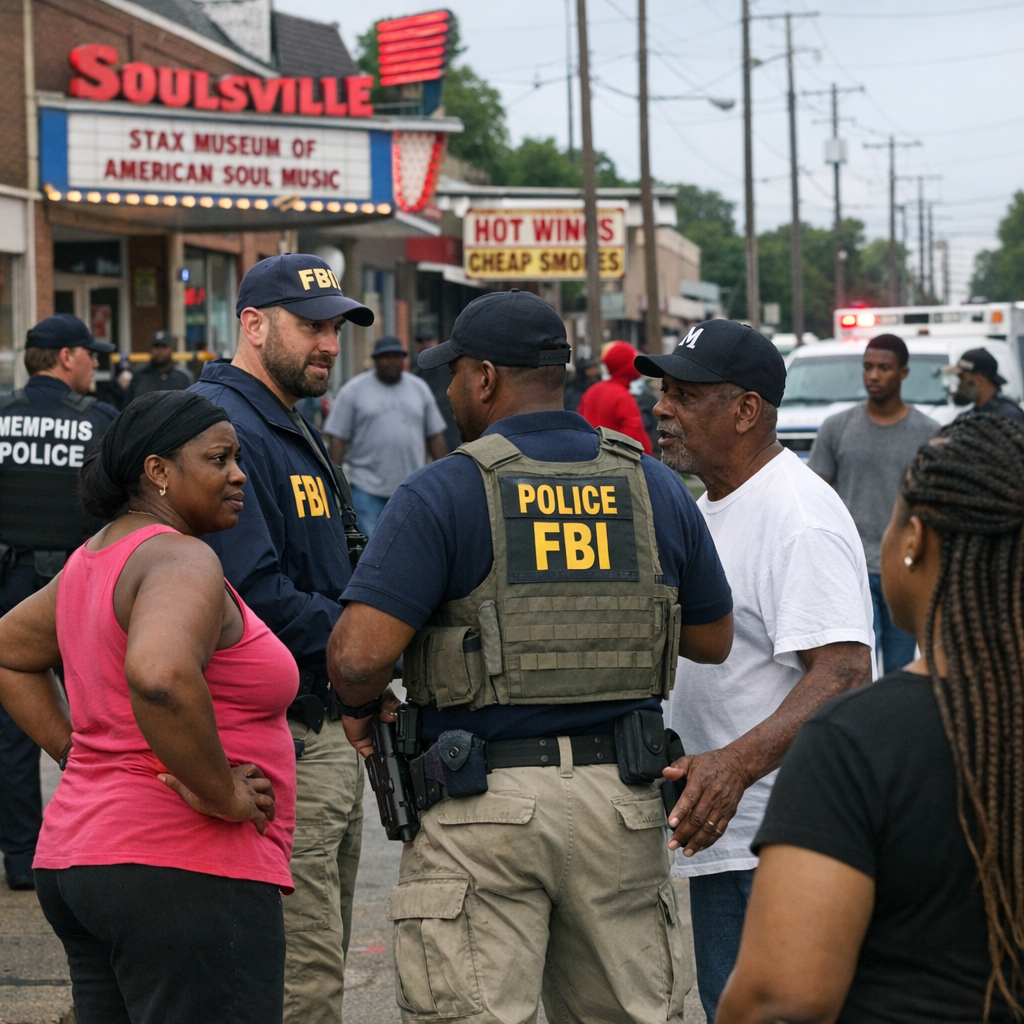
Memphis, a city with a rich cultural heritage and a resilient community, is currently navigating significant federal interventions and redistricting changes that have sparked widespread discussion and concern among its residents.
Federal Interventions and Community Response
In recent months, the federal government has intensified its involvement in Memphis’s local affairs. The establishment of the Memphis Safe Task Force, comprising agents from 13 federal agencies, Tennessee State Troopers, and the Tennessee National Guard, has been a focal point of this intervention. This task force has conducted over 120,000 traffic stops since its inception, aiming to address crime in the city. However, this initiative has not been without controversy. Four Memphis residents have filed a federal lawsuit alleging harassment and physical mistreatment by task force agents for engaging in activities protected by the First Amendment, such as observing and recording law enforcement actions. The plaintiffs argue that the task force targets individuals legally documenting police conduct, raising concerns about civil liberties and the balance between security and personal freedoms.
Redistricting and Its Implications
Simultaneously, Tennessee’s new redistricting plan has dramatically reshaped Memphis’s political landscape. The historically Democratic and majority-Black congressional district has been divided into three Republican-leaning districts. This move, orchestrated by the Republican-controlled state legislature, follows a U.S. Supreme Court ruling that weakened the Voting Rights Act’s protections against racial gerrymandering. Critics argue that this redistricting dilutes Black voting power and erodes representation for Memphis residents, many of whom already feel disconnected from state-level policymakers. The NAACP has filed a lawsuit challenging the new map, citing concerns about minority representation and the potential harm to the city’s political influence.
Community Perspectives and Future Outlook
These developments have elicited a range of responses from Memphis residents. Some view the federal interventions as necessary measures to combat crime and ensure public safety. Others perceive them as overreach, potentially infringing on civil liberties and local autonomy. Similarly, the redistricting changes have sparked debates about fair representation and the integrity of the democratic process. As Memphis stands at this crossroads, the community’s resilience and commitment to civic engagement will be crucial in shaping the city’s future. Open dialogue, active participation in the political process, and a collective effort to address these challenges will determine how Memphis navigates these complex issues and continues to thrive as a vibrant and inclusive city.