

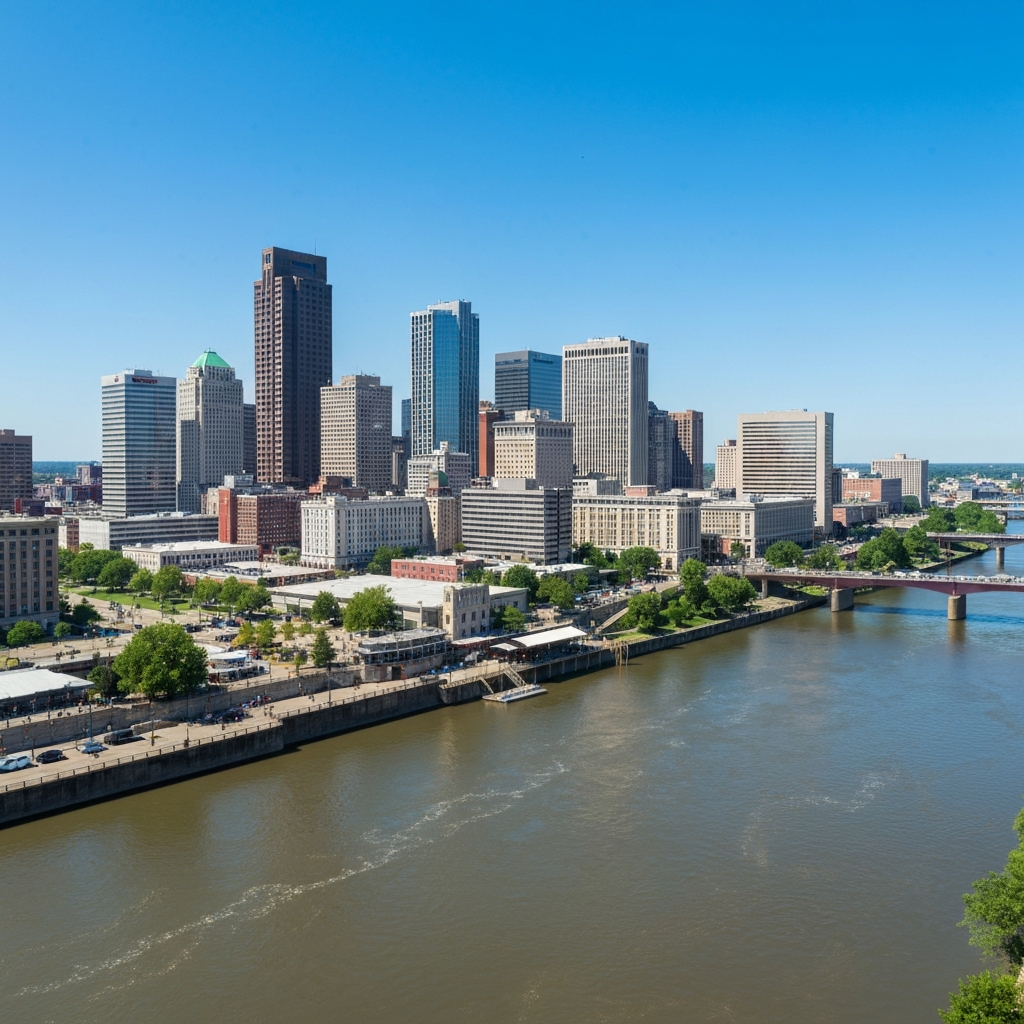
Memphis, Tennessee, experiences a humid subtropical climate characterized by four distinct seasons, each bringing its own unique weather patterns and challenges.
Spring: A Season of Renewal
Spring in Memphis, spanning March through May, is marked by gradually warming temperatures and increased rainfall. Average high temperatures rise from 60.6°F (15.9°C) in March to 78.8°F (26°C) in May. Rainfall during these months varies from 1.14 inches (29mm) to 1.18 inches (30mm), with rainfall days ranging from 10.6 to 12.3 days a month. This season is also known for its vibrant blooms and the occasional severe thunderstorm.
Summer: Heat and Humidity
Summers in Memphis, from June to August, are typically hot and humid. Average monthly highs range from 83.3°F (28.5°C) to 88.7°F (31.5°C), while the lows range from 65.7°F (18.7°C) to 72.1°F (22.3°C). The city often experiences afternoon and evening thunderstorms, which can bring gusty winds and heavy rain.
Autumn: A Pleasant Transition
Autumn, from September to November, offers a respite from the summer heat. Temperatures gradually decrease from 83.3°F (28.5°C) in September to 59°F (15°C) in November. Rainfall is sparse in comparison to other seasons, especially in September when it is at its lowest for the year at 0.43 inches (11mm). The changing foliage provides a picturesque backdrop to the city.
Winter: Mild but Unpredictable
Winters in Memphis, from December to February, are generally mild but can be unpredictable. Average high temperatures range from 46.8°F (8.2°C) to 51.4°F (10.8°C), with lows falling between 34°F (1.1°C) and 37.8°F (3.2°C). Snowfall is rare, with an average seasonal snowfall of 2.7 inches. However, ice storms and freezing rain can occur, posing challenges for residents.
Environmental Considerations
Memphis’s climate has implications for the environment and public health. The city has faced challenges related to air quality, particularly concerning industrial emissions. For instance, the operation of gas turbines at facilities like Elon Musk’s xAI data center has raised concerns about increased emissions of nitrogen oxides and formaldehyde, which can pose health risks to nearby communities.
Understanding Memphis’s climate is essential for residents and visitors alike. By staying informed about seasonal patterns and environmental issues, the community can better prepare for and adapt to the city’s dynamic weather conditions.